
The Bounce Back Loan Scheme gave millions of UK businesses a financial lifeline during the COVID-19 pandemic. But, for many company directors, those lifelines have become anchors, dragging down businesses that were already struggling to recover.
If you’re reading this in 2026 and you can’t afford to repay your Bounce Back Loan, you’re in a critical moment. The December 2025 voluntary repayment deadline has just passed, and for directors who borrowed in 2020-2021 (during the peak of the pandemic), final repayments will fall due in 2026-2027 as the original six-year terms expire.
Over 1.4 million UK businesses drew down more than £46 billion in Bounce Back Loans. By March 2025, official Insolvency Service data shows that 113,413 companies with Bounce Back Loans had either dissolved or entered formal insolvency — with 58,655 in Creditors’ Voluntary Liquidation, 4,684 in Compulsory Liquidation, and 51,413 dissolved. Of these, 73,977 loans (64.4%) had defaulted, triggering the Government Guarantee.
Whether you used the loan properly but face genuine insolvency, or you’re worried about potential misuse, this guide explains your position and options.
Written by Steven Wiseglass, Licensed Insolvency Practitioner and Fellow of R3 (the insolvency and restructuring trade body). Steven leads Inquesta, a Manchester-based licensed insolvency practice regulated by the Insolvency Practitioners Association (IPA), and has over 20 years’ experience helping UK directors navigate company insolvency and Bounce Back Loan debt.
The December 2025 Deadline Has Passed: Here’s What That Means for Directors
The government’s voluntary repayment window closed on 31st December 2025. This wasn’t a true amnesty, as prompt repayment didn’t guarantee immunity from investigation, but it would have reduced consequences for directors who misused funds. That window is now closed. The Insolvency Service secured funding for intensive enforcement targeting directors over alleged Bounce Back Loan fraud following the deadline passing.
Enforcement consequences include disqualification proceedings (typically 11-15 years) and compensation orders requiring personal repayment.
For any directors deemed to have misused loans: Section 16 letters (notice of disqualification proceedings) can be expected within three-six months for the clear-cut cases. You have 21 days to respond once such a letter has been received.
For directors who used their Bounce Back Loans properly but cannot afford repayment: Banks follow standard debt collection procedures — formal demand letters, statutory demands (21-day deadline), County Court proceedings, and ultimately winding-up petitions.
This timeline gives you a matter of only months, or even weeks, to initiate a controlled Creditors’ Voluntary Liquidation (CVL) on your terms, rather than waiting for creditor-forced compulsory liquidation with the increased scrutiny and loss of control that follows.
Understanding Your Situation: Proper Use vs Misuse
Your next steps depend entirely on whether you used the Bounce Back Loan properly.
Proper Use
You’re in this category if:
- The company was trading before 1 March 2020.
- Application information was accurate.
- Funds were used for working capital, equipment, stock, rent, utilities, wages at normal levels, etc.
- No withdrawals were made for personal benefit.
- Dividends were only ever paid when the company had sufficient reserves.
- No preferential treatment of creditors.
In this scenario: The issue you are facing is company insolvency (a genuine inability to meet your obligations). During company insolvency, personal liability risk is low — as long as conduct was proper throughout — and your next steps should be to contact a licensed insolvency practitioner to receive an assessment as soon as possible.
Misuse
You’re in this category if:
- The company wasn’t trading before 1 March 2020 or was already insolvent.
- Turnover figures inflated without reasonable basis.
- Funds were improperly used for personal purposes (mortgages, holidays, personal vehicles, etc.).
- Director’s loan account repayments were made without business justification.
- Dividends were paid when the company lacked reserves or position worsened as a result.
- Salary increases were made beyond justified levels whilst the company struggled.
In this scenario: You are facing potential personal liability issues. The consequences of this can include director disqualification for up to 11-15 years, compensation orders, and possible criminal prosecution. Your next steps should be to obtain specialist legal advice as soon as possible.
This guide primarily focuses on addressing proper use cases that can’t afford to repay bounce back loans and are now facing insolvency. If you misused funds, consult a solicitor experienced in director disqualification defence.

When Can’t Pay Means Company Insolvency
Under the Insolvency Act 1986, a company is insolvent if it cannot pay debts as they fall due (cash flow insolvency) or liabilities exceed assets (balance sheet insolvency).
If you can’t afford to repay bounce back loans whilst meeting other creditor obligations, you are cash flow insolvent.
Once insolvent, your director duties shift from shareholders to creditors. You must:
- Prioritise creditor interests.
- Not prefer one creditor over another without justification.
- Avoid actions that worsen creditors’ positions.
- Not continue trading without a reasonable prospect of recovery.
Red Flags that you’ve crossed the threshold:
- Bounce Back Loan payments missed or only made by neglecting other creditors.
- HMRC debts are accumulating.
- Suppliers are requiring payment upfront.
- County Court Judgements have been registered.
- Statutory demands have been received.
- You’re unable to pay pending VAT or PAYE.
- An overdrawn director’s loan account is increasing.
If you recognise three or more of these warning signs, you’re likely already insolvent and need advice urgently.
Why Pay As You Grow Isn’t Solving the Problem
Pay As You Grow (PAYG) offers three options:
- Extend loan term from six to ten years (reducing monthly payments but increasing total interest).
- Interest-only payments for six months (available three times).
- Six-month repayment holiday (available once).
Government figures show 35.35% of Bounce Back Loan businesses used PAYG options.
The reality: PAYG provides temporary relief but doesn’t solve fundamental viability problems. Extending the term reduces a £50,000 loan from £850 to £510 monthly but costs £4,500 more in total interest.
The key question: Is your business temporarily struggling with cash flow timing, or fundamentally unable to generate sufficient margin to service all obligations?
If it’s the latter, restructuring loan terms won’t change the outcome. You need to address the insolvency itself.
Understanding Personal Liability for Bounce Back Loans
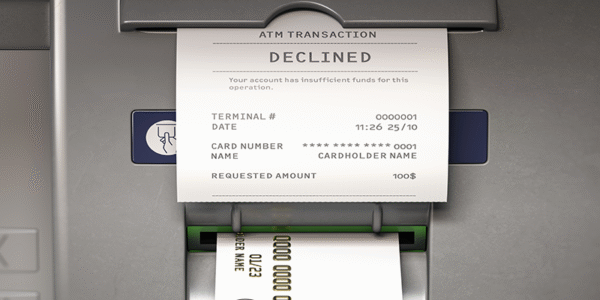
Bounce Back Loans required no personal guarantee. The government provided 100% security to banks, meaning debt sits with the company, not you personally.
In formal insolvency, this makes it an unsecured creditor claim. If company assets cannot repay the loan, the outstanding balance is written off. The bank claims the shortfall from the government guarantee.
You have no personal liability if:
- The loan was obtained properly.
- Funds were used solely for legitimate business purposes.
- Director duties were not breached.
Personal liability follows if:
- Applications were made when the company was already insolvent (or was not trading before March 2020).
- Turnover figures were inflated.
- Withdrawn funds were used for personal use.
- Dividends were paid without reserves.
- Preferential payments had been made to certain creditors.
- Trading continued when clearly insolvent.
- Attempts were made to dissolve the company in order to avoid formal insolvency.
The December 2025 deadline has passed. As a result, if any misuse did occur, the Insolvency Service’s enforcement proceeds without any voluntary repayment mitigation. Get specialist legal advice immediately.
Why Striking Off Your Company Will Fail
Some directors consider company dissolution (strike-off via DS01 form) to avoid formal liquidation. This is designed for solvent companies with no liabilities.
The government instructed banks to object to any strike-off application where Bounce Back Loans remain outstanding. As a result, your application will be rejected summarily.
Under the Ratings (Coronavirus) and Directors Disqualification (Dissolved Companies) Act 2021, the Insolvency Service gained expanded powers to investigate dissolved companies — including those dissolved to avoid scrutiny of how they used Bounce Back Loans. Previously, investigation was only possible during active liquidation or administration.
Attempting to strike off a company with unpaid Bounce Back Loan debt:
- Will be objected to and rejected.
- Draws immediate attention to your company.
- Can be used as evidence of attempting to avoid creditor obligations.
- May trigger an investigation.
- Potential director disqualification for attempting to avoid proper procedure.
If your company is insolvent, the correct legal process is formal insolvency, not dissolution.
Your Options When You Cannot Afford Bounce Back Loan Repayment
Three formal procedures exist under the Insolvency Act 1986:
Company Voluntary Arrangement (CVA)
CVA’s entail legally binding payment plans supervised by a licensed insolvency practitioner. Requires 75% creditor approval by value. Typically works on a 3-5 year payment plan with some debt potentially written off.
- When Appropriate: The company has genuine ongoing viability and sufficient cash flow to meet reduced payments whilst continuing to trade.
- The Challenge: For many Bounce Back Loan recipients still struggling post-pandemic, proving viability and sustainable cash generation remains difficult.
Administration
Court-appointed protection from creditor action whilst a licensed insolvency practitioner works to rescue the company or achieve better creditor returns.
- When Appropriate: The company needs significant restructuring but has realistic survival prospects, or a business sale as a going concern is possible.
- The Limitation: Involves court costs and insolvency practitioner fees, making it viable only for companies with sufficient asset value or trading potential.

Creditors’ Voluntary Liquidation (CVL)
The CVL is a formal winding-up process for insolvent companies, initiated by directors and shareholders.
How it works:
- Licensed insolvency practitioner appointed as liquidator.
- Liquidator realises company assets.
- Director conduct prior to liquidation is investigated.
- Assets realised and proceeds distributed to creditors according to statutory priority.
- The company is dissolved and any remaining debts written off
Directors often choose CVL as it provides greater control than creditor-forced compulsory liquidation, as you are able to dictate the timing, hand-pick your insolvency practitioner, and control communications. If conducted properly, CVL protects you from wrongful trading liability and director disqualification (as long as conduct was proper).
Bounce Back Loans in CVL are treated as unsecured creditor claims. This means that once secured — and preferential creditors are paid — any remaining assets are distributed to unsecured creditors (proportionally). If there is a shortfall, it is written off and banks will claim the difference from the government’s guarantee. As long as the loan was obtained and used properly, and you haven’t breached duties, you should have no issues with personal liability once liquidation has completed.
Will Your Bounce Back Loan Be Written Off in Liquidation?
If loan usage was proper: Yes, the outstanding balance will be written off. In CVL, the Bounce Back Loan is an unsecured creditor claim. After secured creditors, liquidation costs, and preferential creditors, any remaining funds distribute to unsecured creditors proportionally.
Example: Company with a £50,000 Bounce Back Loan, £30,000 other unsecured debts, and £8,000 available for unsecured creditors receives 10p to the pound distribution. The Bounce Back Loan creditor receives £5,000 and the outstanding £45,000 is written off and claimed from government guarantee.
If loan usage was improper: The company’s debt may be written off, but you could become personally liable.
The liquidator investigates director conduct. If they find funds withdrawn for personal benefit, dividends paid without reserves, or preferential payments, they can:
- Pursue you personally for losses.
- Report to Insolvency Service for disqualification proceedings.
- Seek court orders (misfeasance, transaction at undervalue, preference).
You could face personal repayment, director disqualification (11-15 years for fraud), compensation orders, or criminal prosecution in serious cases.
For more information on whether or not your Bounce Back Loan will be written off in liquidation, read our dedicated blog.

The Insolvency Practitioner Investigation
When your company enters CVL, the insolvency practitioner investigates director conduct under the Company Directors Disqualification Act 1986.
For Bounce Back Loans, the investigation examines:
- Was the company trading before 1st March 2020?
- Was declared turnover accurate?
- Were funds used for legitimate business purposes?
- Were dividends paid when the company lacked reserves?
- Did the company continue trading whilst clearly insolvent?
- Were creditors treated fairly?
Evidence you need:
- Bank statements showing loan receipt and payments.
- Invoices and receipts evidencing business expenditure.
- Payroll records.
- Management accounts.
- Board minutes recording key decisions.
If conduct was proper: Investigation concludes and there are no personal consequences.
If misconduct is identified: The liquidator reports to Insolvency Service. Possible director disqualification proceedings, misfeasance claims, or criminal referral in serious fraud cases.
The Seven-Day HMRC Window
If your company has outstanding HMRC debt and misses payment deadlines, HMRC can issue a 7-day notice of intention to freeze the company bank account.
Once frozen:
- Payroll cannot run.
- Direct debits bounce.
- Supplier payments fail.
- Trading effectively stops.

Your options narrow dramatically:
- Cannot access funds to pay insolvency practitioner.
- Likely forced into compulsory liquidation rather than a controlled CVL.
- Increased scrutiny of director conduct.
This is why timing matters. Acting before the 7-day notice allows you to initiate CVL on your terms, choose your insolvency practitioner, and demonstrate responsible conduct.
Waiting until creditors force the decision removes control and increases scrutiny.
What Licensed Insolvency Practitioners Want You to Know
Early advice creates more options. Directors who seek advice whilst still solvent or at early insolvency stages can negotiate, restructure, or plan for an orderly wind-down. Those who wait until bank accounts freeze or winding-up petitions arrive have no good options.
Misconduct investigations focus on pattern and intent. Using a small portion inappropriately through genuine misunderstanding won’t typically result in disqualification. Systematic withdrawal for personal benefit whilst knowing the company was insolvent will.
Personal guarantees on other debts change everything. Whilst Bounce Back Loans weren’t personally guaranteed, many directors have guarantees on leases, asset finance, or director loan accounts. Liquidating the company doesn’t discharge these personal obligations.
The government expected high default rates. When the scheme launched, the government estimated 2/3 of loans would never be repaid. Current figures show 29.7% have triggered the guarantee. You are not alone — hundreds of thousands of businesses took loans in good faith and still couldn’t recover.
Taking Action in January 2026
If your company cannot afford Bounce Back Loan repayment:
- Determine your situation
- Did you use the loan entirely for legitimate business purposes?
- If yes. Continue to step 2.
- If no. Seek specialist legal advice immediately.
- If uncertain. Request professional risk assessment.
- Assess company viability
- Can the company afford ongoing Bounce Back Loan repayments AND all other creditors?
- If yes. Explore PAYG options, consider CVA.
- If no. The company is insolvent, proceed to step 3.
- Understand your timeline
- Immediate Pressure (within 7 days): HMRC freeze notice, statutory demand served. Contact a licensed insolvency practitioner today.
- Near-term Pressure (within 30 days): Payments missed, supplier accounts on hold, creditor demands escalating. Schedule consultation this week
- Medium-term Pressure (30+ days): PAYG exhausted, final repayment approaching, no viable path forward. Book an assessment within weeks
- Document everything
- Bank statements.
- Invoices and receipts.
- Payroll records.
- Management accounts.
- Board minutes.
- Professional advice received.
This protects you during insolvency practitioner investigation.

Why Inquesta’s Approach Is Different
As a licensed insolvency practice led by a regulated practitioner with IPA licensing and R3 Fellowship credentials, we provide director-focused advice balancing legal obligations with commercial reality.
- We specialise in proper use cases facing insolvency. If you used the Bounce Back Loan correctly but your company cannot afford repayment, we’ll assess your position and explain available options clearly.
- We don’t handle misuse cases requiring legal defence, but we work with specialist solicitors we can refer you to if needed.
- We can assess uncertain cases and direct you appropriately depending on where genuine risk lies.
This honest scope definition builds trust. We don’t try to sell services you don’t need or that fall outside our expertise.
We don’t profit from advising you to continue trading when closure is inevitable. We don’t sell restructuring services when liquidation is clearly appropriate. Our professional obligations require honest assessment of your company’s position.
We’ve helped hundreds of directors in the North West and across the UK to navigate company insolvencies involving Bounce Back Loans. We understand how banks treat these loans in insolvency, what investigations actually examine, and how to protect directors when usage was proper.
The Bottom Line for Directors in 2026
The December 2025 voluntary repayment deadline has passed. The Insolvency Service’s enforcement campaign is proceeding for misuse cases. Final loan repayments are approaching for 2020-2021 borrowers.
The question isn’t whether you should feel guilty about business failure — hundreds of thousands of businesses are in the same position. The question is whether you’re following the correct legal procedure for an insolvent company that cannot meet its obligations.
Acting early, seeking specialist advice, and following proper insolvency procedures protects you from personal liability and demonstrates responsible director conduct.
If you used the Bounce Back Loan properly but your company cannot afford repayment, contact Inquesta for confidential assessment of your position and available options.
Don’t wait until bank accounts freeze, statutory demands arrive, or winding-up petitions are issued. The time to act is now — whilst you still have control over what happens next.
Call 0800 093 4604, email [email protected], or fill in our contact form for a free, confidential initial consultation.